Podcast: Play in new window | Download
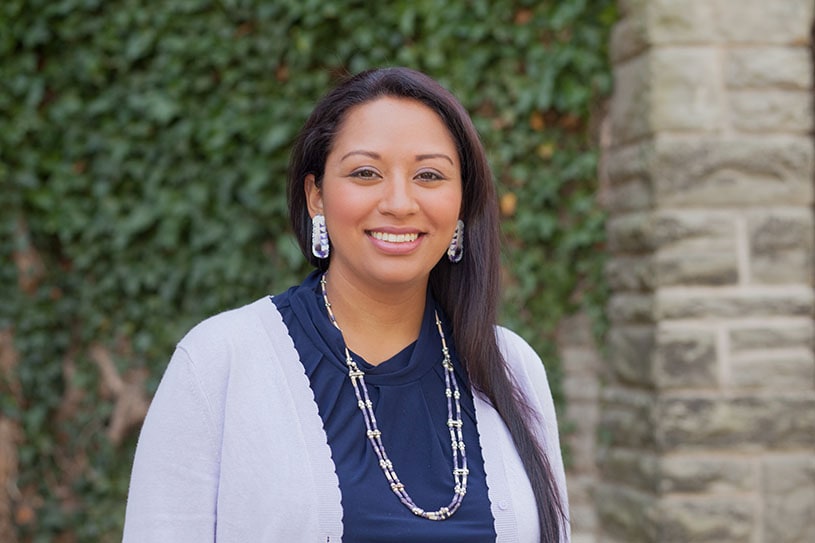
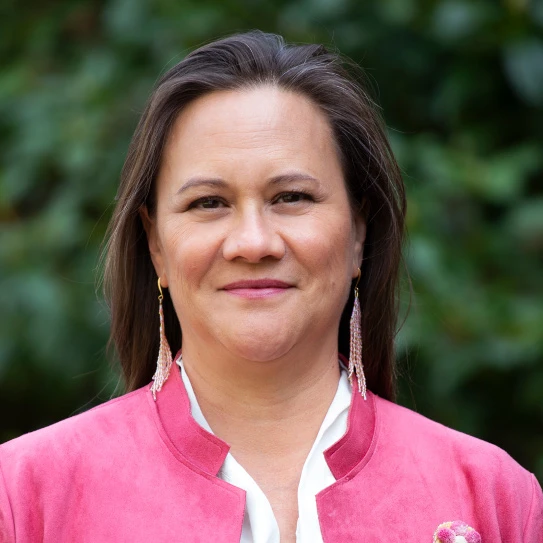
In this week’s episode Hoku meets with Michelle Daigle, Associate Professor and Canada Research Chair in Indigenous Geographies at the University of Toronto, to discuss the ongoing struggle over the Ring of Fire, a massive mineral extraction project proposed across northern Ontario. Michelle is also Mushkegowuk Cree from Constance Lake First Nation in Treaty 9 territory, one of the nine First Nations directly affected by Ring of Fire development. Her scholarly work is grounded in small-scale collaborations with Cree, Anishinaabe, and Oji-Cree Elders and Knowledge Keepers in Treaty 9 to understand how these communities embody care work, as well as land- and water-based governance, in the context of colonial policies and land dispossession, gendered and racial violence, and the impacts of extractive industries and environmental destruction. While government and industry frame the project as essential to Canadian economic sovereignty, Michelle challenges this perspective and exposes the exploitation and oppression behind the massive marketing campaign. She grounds her alternative vision of sovereignty in Indigenous governance and kinship to lands, waters, and more-than-human kin.
This conversation brings attention to the more than 32,000 mining claims across First Nations territories that make up The Ring of Fire, and the recent passage of federal and provincial legislation designed to accelerate major resource extraction. Michelle shares how her research examines the environmental, social, and political impacts of mining and infrastructure development, from threats to waterways, wildlife, and peatlands to concerns about Indigenous consultation and environmental justice. Drawing on Cree understandings of the James Bay Lowlands as “breathing lands,” she reflects on how care for lands, waters, animals, plants, and future generations forms the foundation of Indigenous governance. And she encourages listeners and students hold up community and youth knowledge and leaderships such as Jeronimo Kataquapit and relations.
This podcast is created by the Impact Chair in Transformative Governance for Planetary Health at the University of Victoria, with production support from Cited Media. We receive additional support from the Canadian Institutes of Health Research You can find us at https://indigenousplanetaryhealth.ca/