Podcast: Play in new window | Download
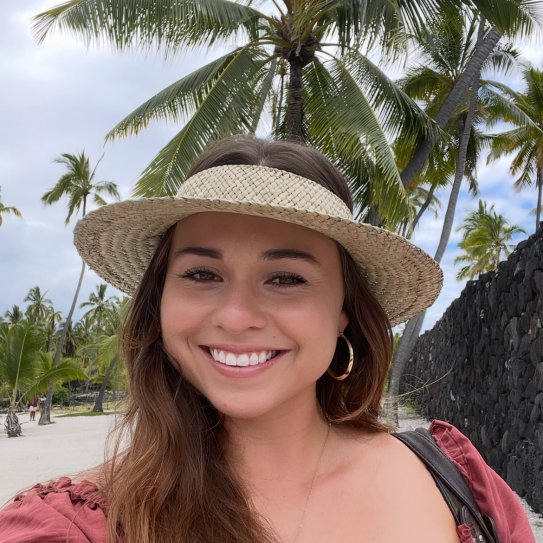
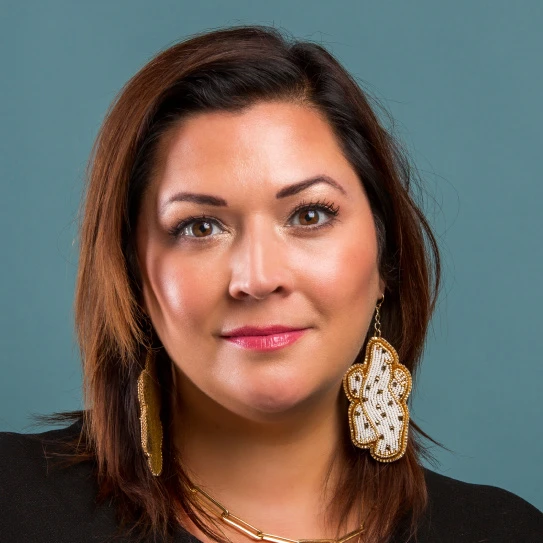
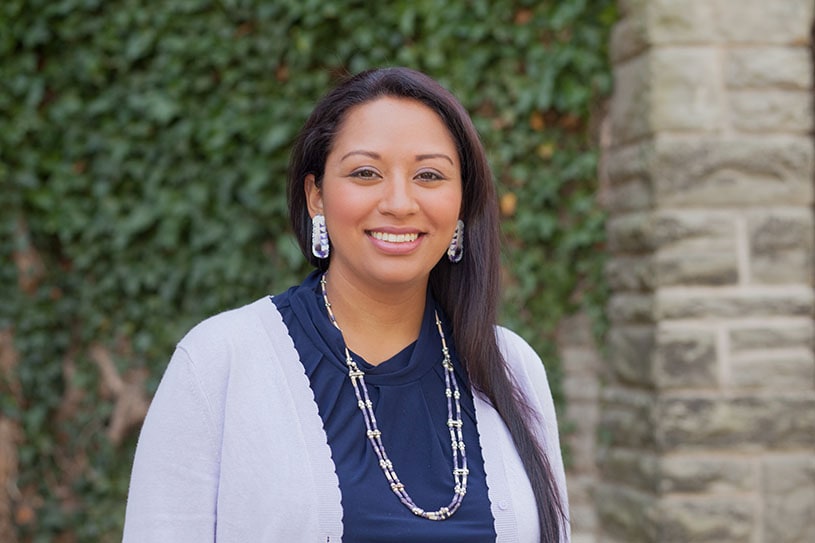
In July 2025, Tiara and Hoku spent nearly a week in the Commonwealth of the Northern Mariana Islands (CNMI) on the islands of Saipan and Tinian. They shared a meal with members of Our Commonwealth 670, (OCW 670), a non-profit alliance whose mission is to protect their ancestral lands, seas, and skies from the devastating, ongoing impact of U.S. militarization. Their visit to the CNMI coincided with the celebration of the Fourth of July. As we learn, even in the CNMI, there is a misconception that the parade and festivities are a celebration of US Independence. However, July 4th is celebrated as “Liberation Day” in Saipan—commemorating the day that Indigenous Chamorro and Carolian islanders were liberated from concentration camps on July 4, 1946. Camp Susupe was the last concentration camp to be permanently closed in Saipan, marking the end of Japanese occupation during WWII. Liberation Day celebrates the resilience and strength of those who endured the incredible hardship and pain of war. It serves as a powerful reminder of freedom and hope for a more peaceful Marianas. (For more on this topic, check out “Saipan’s First Liberation Day,” Pacific Island Times and José S. Dela Cruz book From Colonialism To Self-Government: The Northern Marianas Experience).
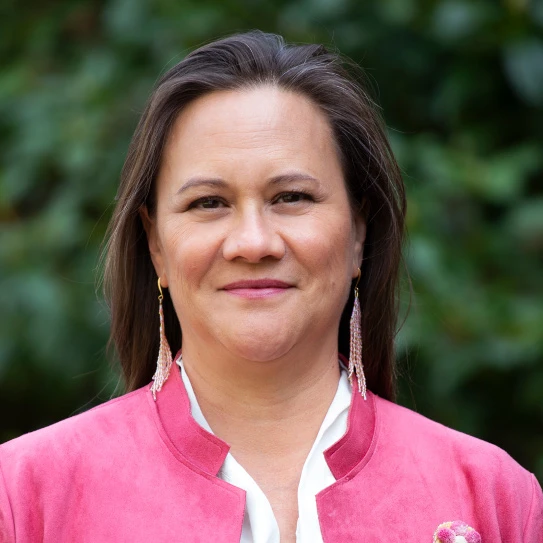
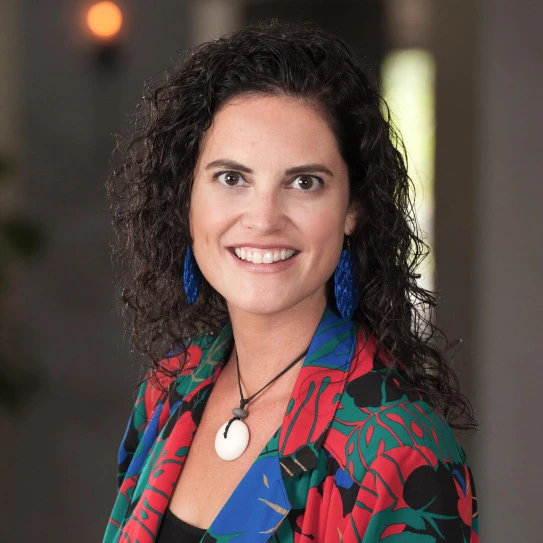
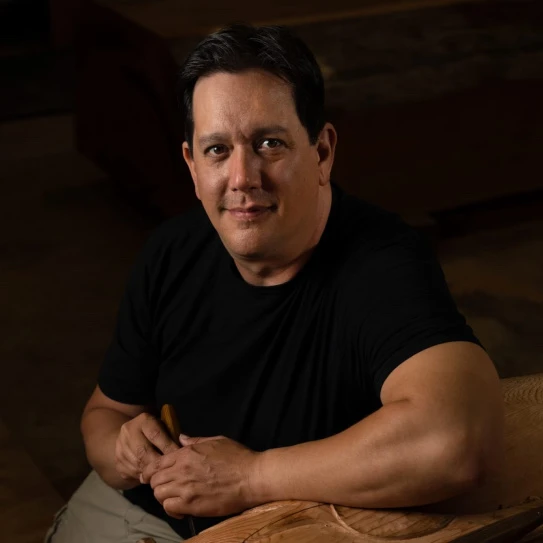
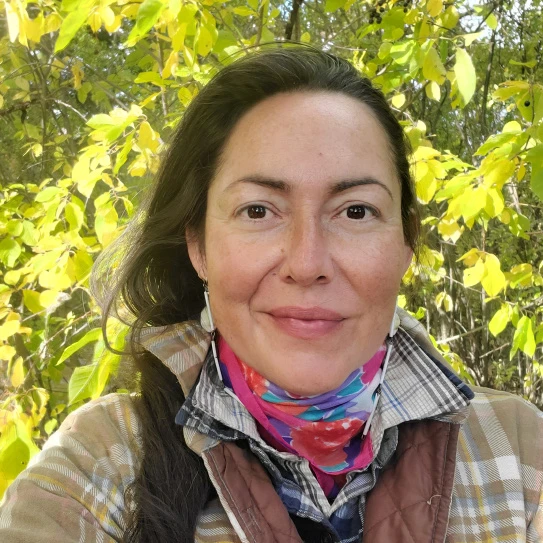
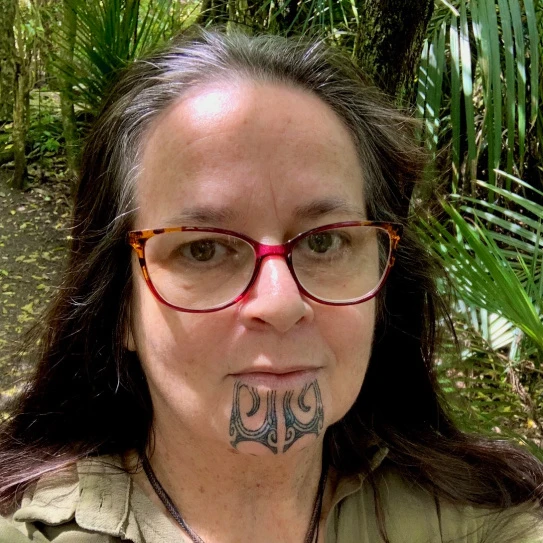
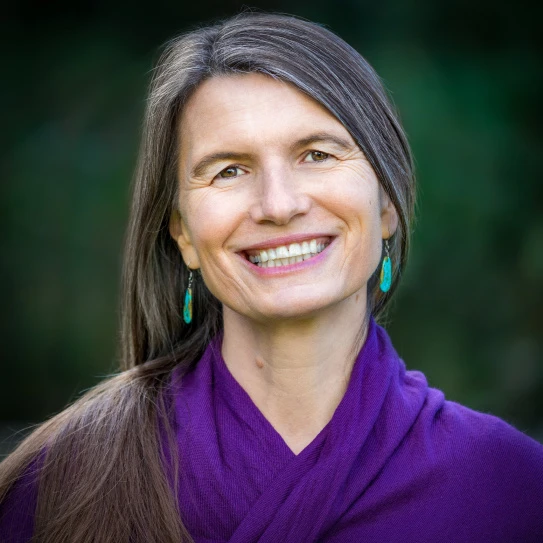
Our conversation with OCW 670 board members Sheila Babauta, Zeno Deleon Guerrero, and Mallory Muña sheds light on how the current CNMI relationship with the United States is one of subordination and domination. These activists and educators describe their vision of liberation for their people and their lands. As they emphasize, the OCW 670 is committed to actualizing a liberatory vision of their future in the face of increased US militarization, climate change, and historical and proposed development. They also offer a critical lens for understanding ongoing US military presence and impact in their islands through war training, testing, and development.
This podcast is created by the Archipelagos of Indigenous-led Resurgence for Planetary Health research collective. You can find out more about our research on our website: https://indigenousplanetaryhealth.ca/. We receive funding for this podcast from the Impact Chair in Transformative Governance for Planetary Health at the University of Victoria and from the Canadian Institutes of Health Research. We receive production support from Cited Media.