Podcast: Play in new window | Download
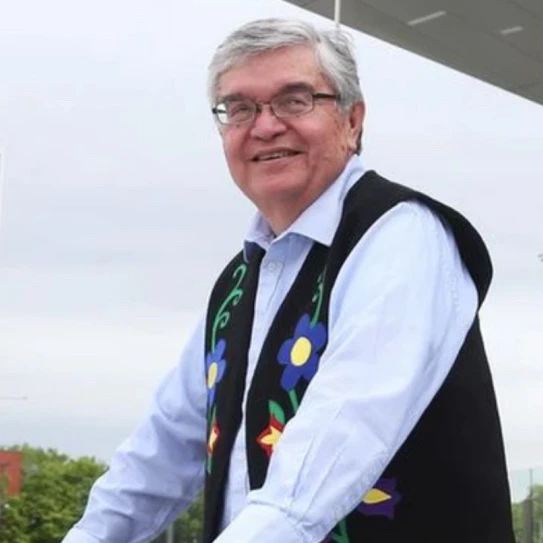
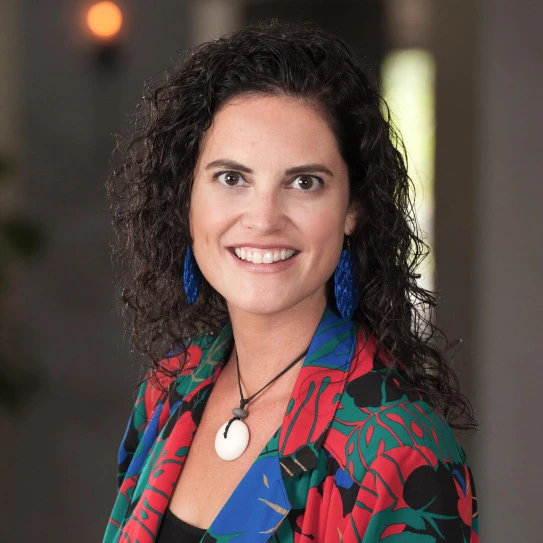
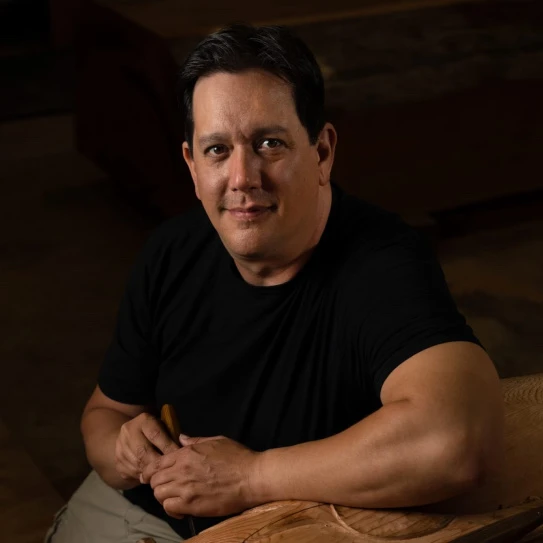
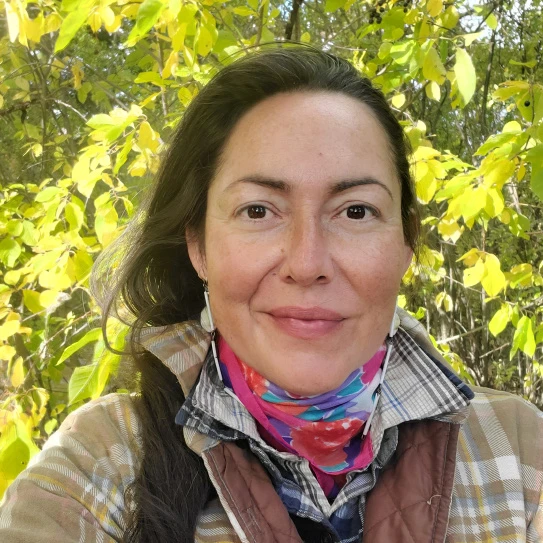
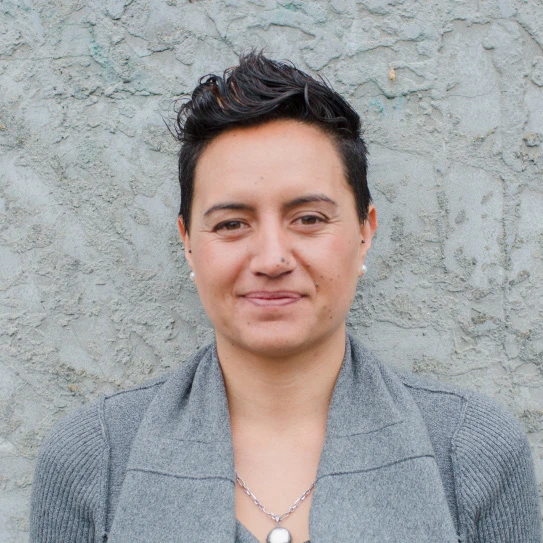
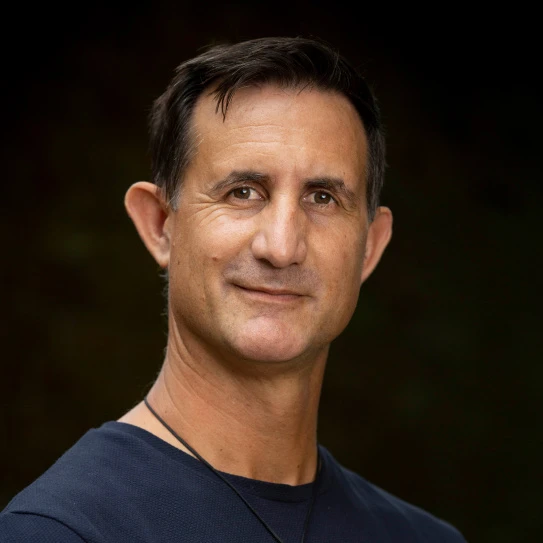
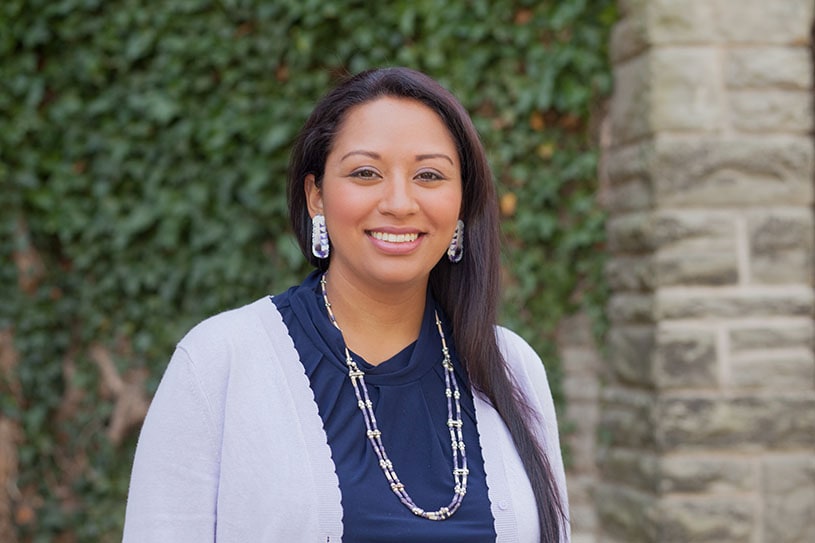
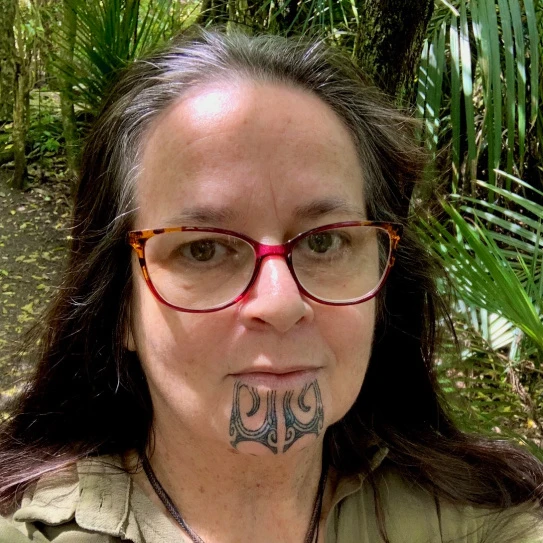
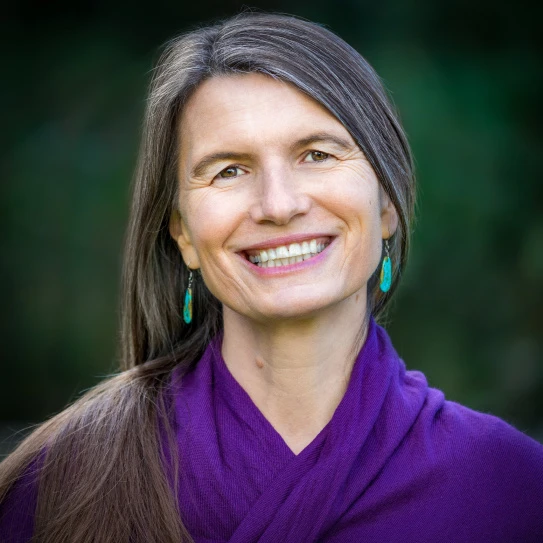
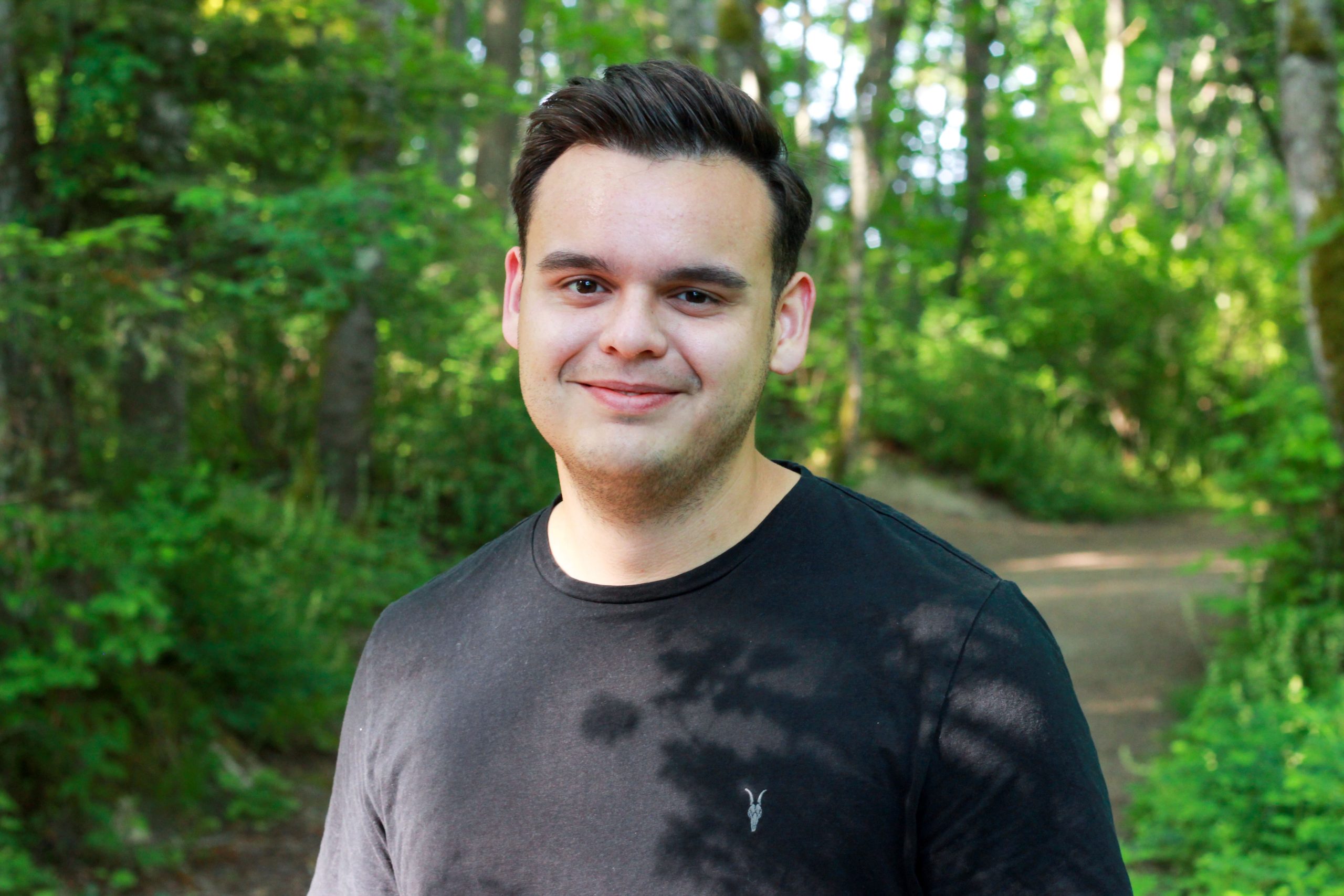
In this week’s episode, Hoku speaks with Dr. Jeffrey Ansloos, Associate Professor of Indigenous Health and Social Policy at the University of Toronto, and a citizen of Fisher River Cree Nation. A leading voice in youth suicide studies and environmental justice, Jeffrey’s research traces the deep connections between environmental violence, settler colonialism, and the high rates of suicide among Indigenous youth. He explains how love, land relations, and acknowledging ongoing catastrophe can open pathways to healing. Together, they consider questions such as: How do we care for our youth when their human and more-than-human kin are in crisis? What if our stories acknowledge catastrophe, genocide, and apocalypse? This episode also highlights the vital and often political ways that young people are surviving and making life possible, by establishing deeply intimate relationships with the land and with each other. Hōkū and Jeffery ponder what it would truly mean to plan for a future by embracing grief and orienting ourselves towards the possibility, not the guarantee, of hope.
DISCLAIMER: In this episode, we discuss suicide and mental health. If you are not in a mental or spiritual place to listen to this episode now, come back when you are ready. If you or someone you know is thinking about suicide, call or text 9-8-8. Support is available 24 hours a day, 7 days a week (Canada).
This podcast is created by the Archipelagos of Indigenous-led Resurgence for Planetary Health research collective. You can find out more about our research on our website: https://indigenousplanetaryhealth.ca/. We receive funding for this podcast from the Impact Chair in Transformative Governance for Planetary Health at the University of Victoria and from the Canadian Institutes of Health Research. We receive production support from Cited Media.